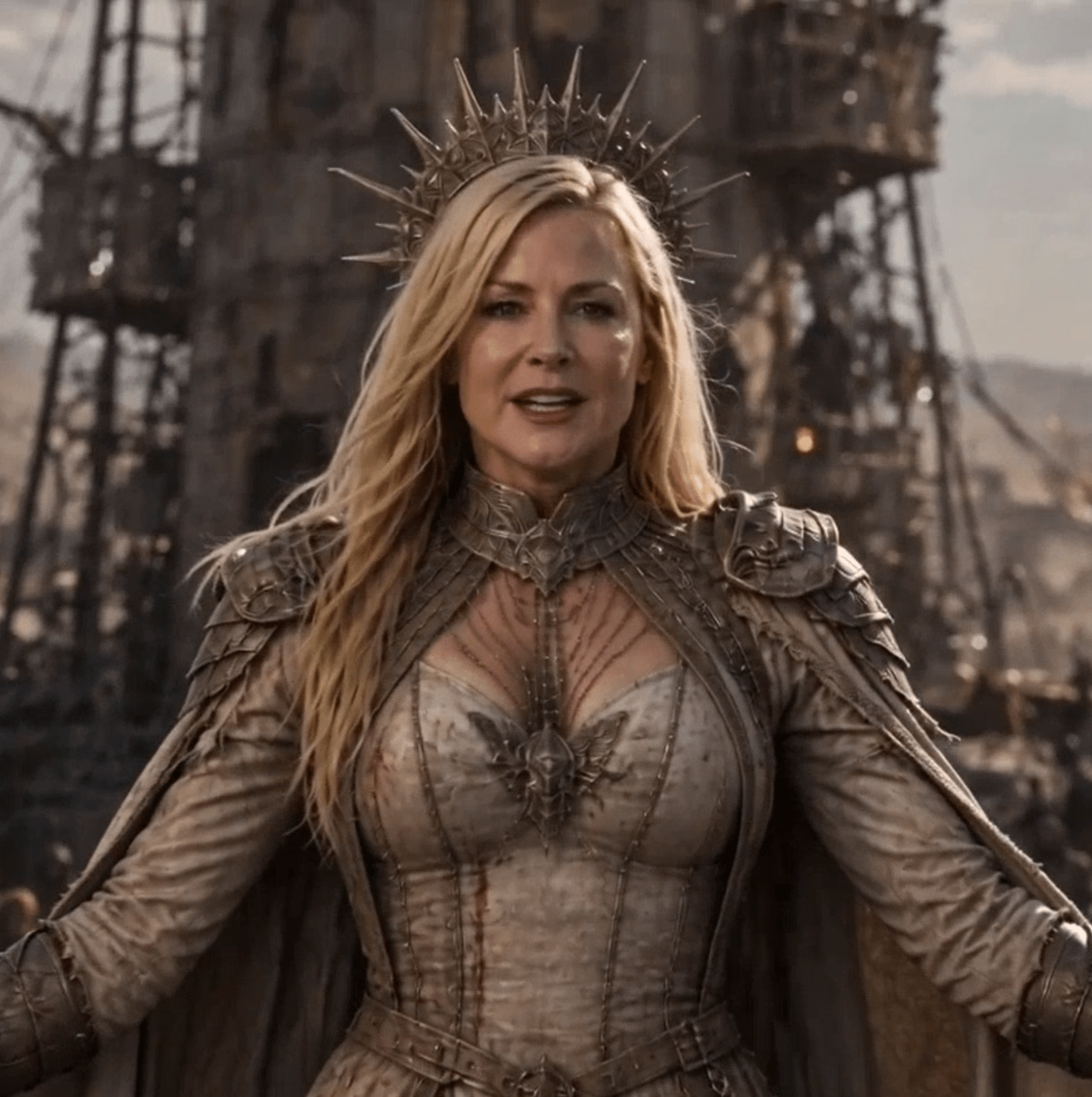
Illustrators have spent years sounding the alarm about generative artificial intelligence startups training their models on artists' work without permission. They've pointed out how the practice is tantamount to theft, and in response, many gen AI boosters have argued that it's necessary for the technology's evolution. This has led to contentious legal battles, but it's also given rise to a new wave of AI startups like Pippa that market their services as being more ethical than the competition.
Like most companies selling access to text-to-video models, Pippa's main product is short bursts of user-generated footage that can be cobbled together to tell visual stories. But what sets Pippa apart from other players in the gen AI video space is the way its business model is designed to pay artists directly. Every time a Pippa subscriber generates an image or a video clip whose style is derived from a human artist's work, that artist is compensated by the platform.
Pippa's cofounders, Hogan Shrum and Sean Wright, think that their focus on working with artists is what will attract customers. They also believe that their company will prove that AI firms can generate content ethically. But Pippa faces an uphill battle as it seeks to convince artists. Even as it tries to create an ethical spin on AI video generation, the company is still getting off the ground with the same sloppy models that other text-to-video services offer.
"All of these models from the past 18 months have been trained on real people's art without their permission — that's how it was built." — Sean Wright, Pippa cofounder
Pippa's payments to artists aren't very large on an individual basis. The company says that artists receive $0.005 per image and $0.003 per second of video. The more generations a user makes, the larger an artist's payments become, and Pippa also gives them access to a cut of a 5 percent royalty pool that's funded by the platform's overall subscription revenue.
Still built on scraped art
Though Pippa hopes to fully switch to models that are trained on datasets provided by its in-house artists, that technology is still built with open models that the company says "have initial training on the broader set of content out there." Put more bluntly, Pippa's tech still involves some degree of using art that was scraped from the internet without creators' express consent. The company's intentions may be good, but it doesn't exactly have a way to completely solve for the creative theft that's inherent to gen AI.
Shrum and Wright believe that they will find more artists to work with, and that using Pippa will convince them to sell their communities on the idea of joining as well. In order for that to happen, though, public opinion about whether people really want to use gen AI would need to shift back in the technology's favor.